Anna Keller · 22 September 2026
Biochar from Oak Mill Residues Boosts Soil Restoration in Nearby Farmlands
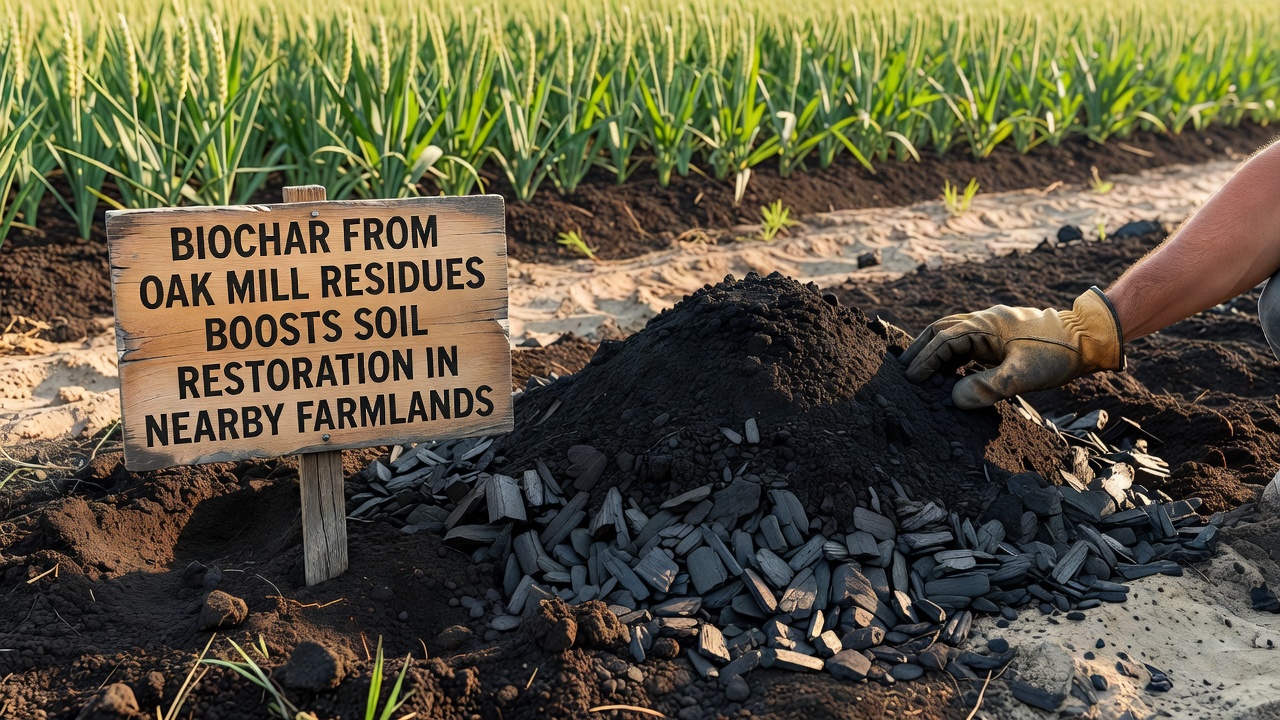
Mill operations across several regions generate substantial volumes of oak residues each season, and producers have turned portions of that material into biochar through controlled pyrolysis processes that lock carbon into a stable form suitable for agricultural use. Data from multiple field trials shows this biochar improves soil structure, water retention, and nutrient cycling when applied to nearby farmlands, while the production method itself diverts wood waste that would otherwise require disposal or low-value burning.
Production Process and Material Sources
Oak mill residues arrive at processing facilities already sorted by size and moisture content, then undergo pyrolysis at temperatures between 400 and 600 degrees Celsius in low-oxygen environments that prevent full combustion. The resulting biochar retains a porous structure that researchers have measured at surface areas exceeding 200 square meters per gram, creating space for microbial activity and mineral binding once the material reaches fields. Facilities located near both mills and farmlands reduce transport distances, which studies indicate keeps the overall carbon footprint of the product lower than biochar sourced from distant suppliers.
Soil Improvement Mechanisms
Once incorporated into topsoil at rates of five to ten tons per hectare, oak-derived biochar alters cation exchange capacity and raises pH in acidic plots by 0.3 to 0.8 units according to measurements taken one year after application. Farmers report that plots treated this way require fewer irrigation cycles during dry periods because the biochar particles hold moisture longer than untreated soil, while nutrient leaching decreases because the material binds ammonium and phosphate ions. Research published by agricultural experiment stations documents yield increases ranging from 8 to 15 percent for row crops grown on previously degraded land, with the largest gains appearing in the second and third growing seasons after initial incorporation.
Field Applications and Monitoring Data
Cooperative extension programs have tracked test plots across multiple counties since 2023, recording soil organic carbon levels that rose by 1.2 to 2.4 percent within eighteen months of biochar addition. One study coordinated with local mills followed twenty-five farms that received regular deliveries of oak biochar, and the results showed consistent improvements in earthworm populations and aggregate stability compared with control fields that received only conventional amendments. In September 2026, updated monitoring reports from these same sites will be released, providing additional data on long-term carbon sequestration rates and any shifts in microbial community composition that occur after four full growing seasons.
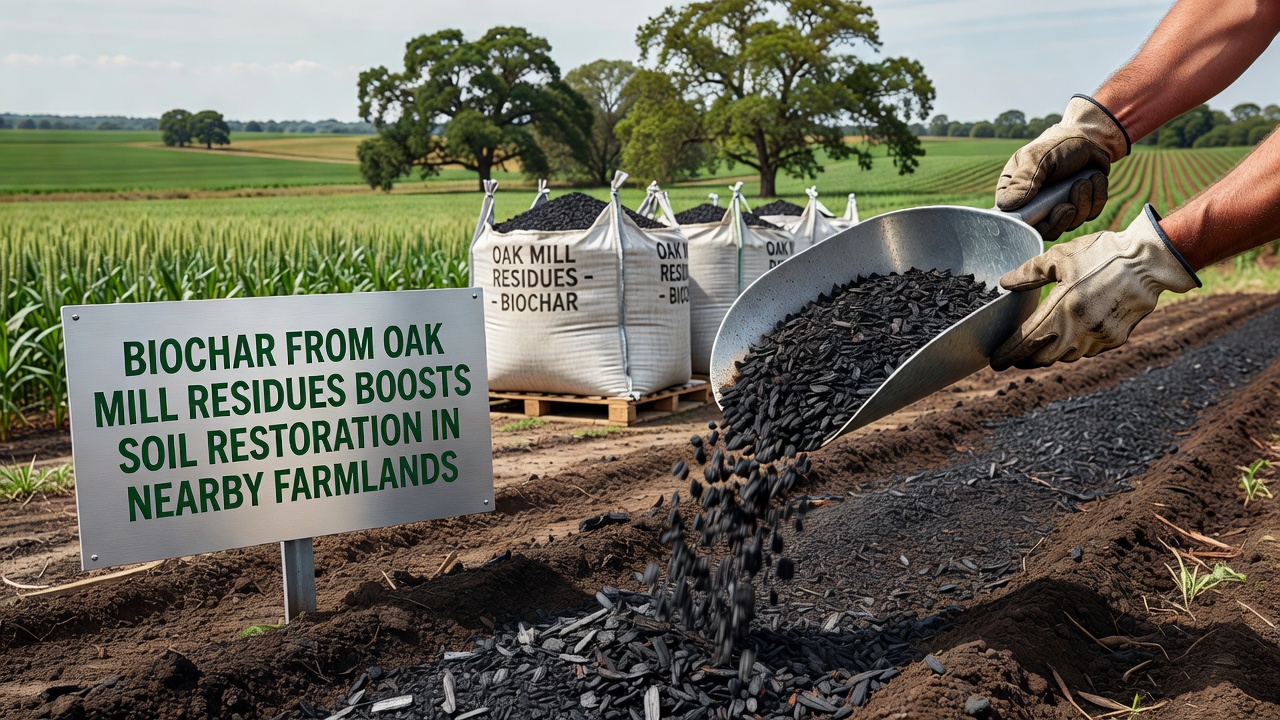
Equipment used for spreading the biochar has evolved to include modified manure spreaders and pneumatic applicators that distribute the material evenly at depths of five to fifteen centimeters, minimizing dust and ensuring contact with the root zone. Operators note that the material flows more consistently when pre-screened to remove fines below two millimeters, a step that mills now include as standard practice before delivery.
Economic and Logistical Factors
Transportation costs drop when biochar production occurs within a fifty-mile radius of both the supplying mill and the receiving farms, and several regional cooperatives have formed to share mobile pyrolysis units that process residues on-site. Figures from the U.S. Department of Agriculture's Natural Resources Conservation Service indicate that farms participating in cost-share programs for soil health practices receive partial reimbursement for biochar purchases when they meet specified application and record-keeping requirements. NRCS program guidelines outline eligibility criteria that many operations have already satisfied through existing conservation plans.
Supply chain partners have documented steady increases in residue availability as furniture manufacturers and flooring producers shift toward kiln-dried oak that generates consistent byproduct streams. These volumes support continuous biochar production schedules rather than seasonal batch runs, which in turn stabilizes pricing for agricultural buyers who plan applications around spring and fall field operations.
Conclusion
Continued collection of soil health metrics through 2026 and beyond will clarify the durability of benefits observed so far, while ongoing adjustments to production parameters aim to match biochar properties more closely with specific soil types found in each growing region. The integration of oak mill residues into local agricultural systems demonstrates a closed-loop approach that addresses both waste management at mills and soil degradation on farms without requiring changes to existing cropping patterns.